
Murray’s Ghosts: A Field Guide for the Aspiring Paranormal Investigator
Van Zandt was just the tip of the spectral iceberg

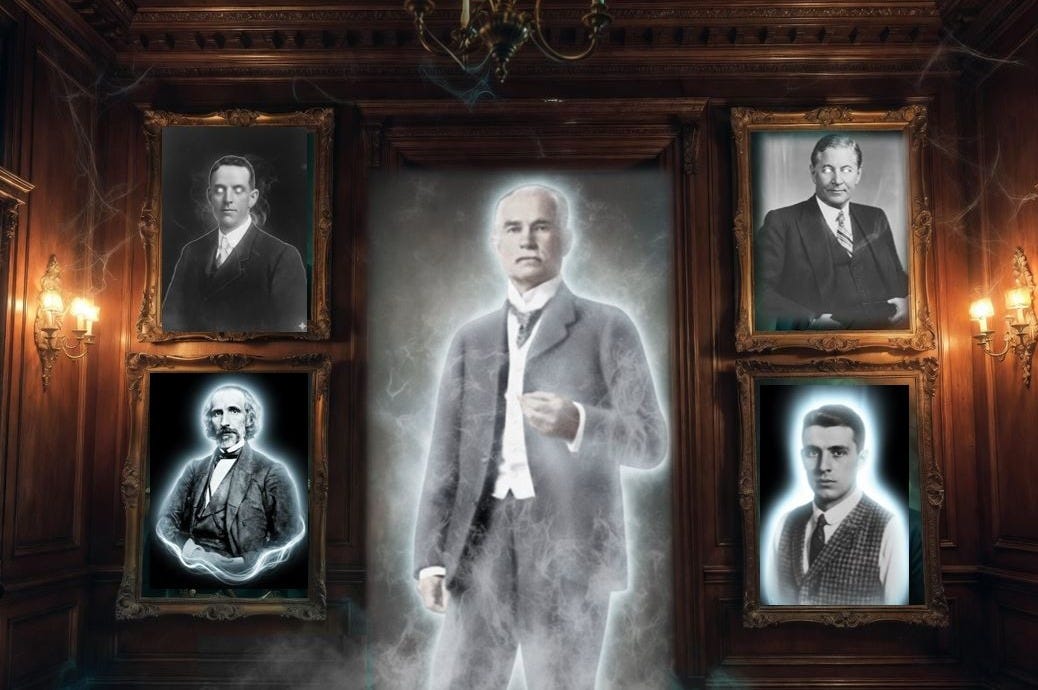
When the Travel Channel’s “Ghosts of Devil’s Perch” aired their episode on James A. Murray and Ferdinand Van Zandt, I thought: Finally, someone’s telling this story.
Then I thought: Wait. Why did I only get ONE ghost?
Van Zandt—the California mining heir Murray destroyed through apex law litigation, who shot himself in a London hotel in 1892—makes for excellent television. Tragic backstory. International intrigue. A widow Murray swooped in on to buy the Blue Bird Mine.
But if you’re hunting for spirits with a grudge against James A. Murray, Van Zandt is just the opening act. I’ve spent years in Murray’s business correspondence, court records, and newspaper clippings. The man left a trail of ruined lives stretching from Montana to California to Idaho to Washington State.
Consider this your field guide.
BUTTE, MONTANA: The Motherlode of Grudges
Any paranormal investigator worth their EMF detector should start here. Murray operated in Butte for twenty-six years, and the bodies—metaphorical and otherwise—piled up.
Ferdinand Van Zandt (Already Featured on Television) What Murray did: Used apex law to claim Van Zandt’s ore was actually his, filed a $2 million lawsuit, obtained an injunction shutting down operations, then bought the Blue Bird Mine from the widow. The end: Suicide by gunshot, London hotel, March 1892. Ghost potential: ⭐⭐⭐⭐⭐
Frederick Isele & John Streicher (A Two-for-One Special) These German immigrants died together on July 4, 1892, in a dynamite accident involving Hostetter’s Bitters (94 proof) and poor judgment about where to wire three sticks of giant powder. The explosion ripped Isele apart and tore Streicher’s eyeballs from their sockets.
Murray waited two years while the estate administrator collected royalties. Then he sent his shill, Silas King, to buy Streicher’s entire estate from thirty-seven relatives in Germany—for $8,000. Murray proceeded to extract $150,000 in ore.
The relatives pursued Murray for twenty-four years. A Montana judge called it “the greatest fraud ever perpetrated in this community.” Ghost potential: ⭐⭐⭐ (two ghosts, one location)
Sam Sumwalt (The One Who Almost Stopped Murray Permanently) Murray jumped Sumwalt’s claim after Sumwalt had worked it for eleven years. The issue: Sumwalt couldn’t afford to reach the deeper veins. Murray could. So Murray took them.
Sumwalt’s response was to draw a pistol on Murray on Main Street in broad daylight. Police caught his arm just in time. As they dragged him away, Sumwalt shouted: “You will have to go to the graveyard or I will!”
Murray went to his grave in 1921. Sumwalt’s whereabouts at death: unknown. Ghost potential: ⭐⭐⭐⭐ (unfinished business)
“Crazy Doc” Larkin Murray foreclosed on Doc Larkin’s mining claims while the man was visibly deteriorating mentally. When asked in court about his treatment of Larkin, Murray testified: “I’m not in the habit of running around the country protecting men.”
Larkin was committed to the Warm Springs asylum. He died there in 1899. Ghost potential: ⭐⭐ (might be too confused to haunt effectively)
George Haldorn (Murray’s Divorce Attorney—Yes, Really) Haldorn handled Murray’s divorce from his first wife, Sallie. Murray was so pleased with the work that he kept Haldorn on retainer—for free. Over six years, Haldorn handled forty-five cases for Murray. The promised riches never materialized. Instead, Murray offered Haldorn a loan at 15% interest.
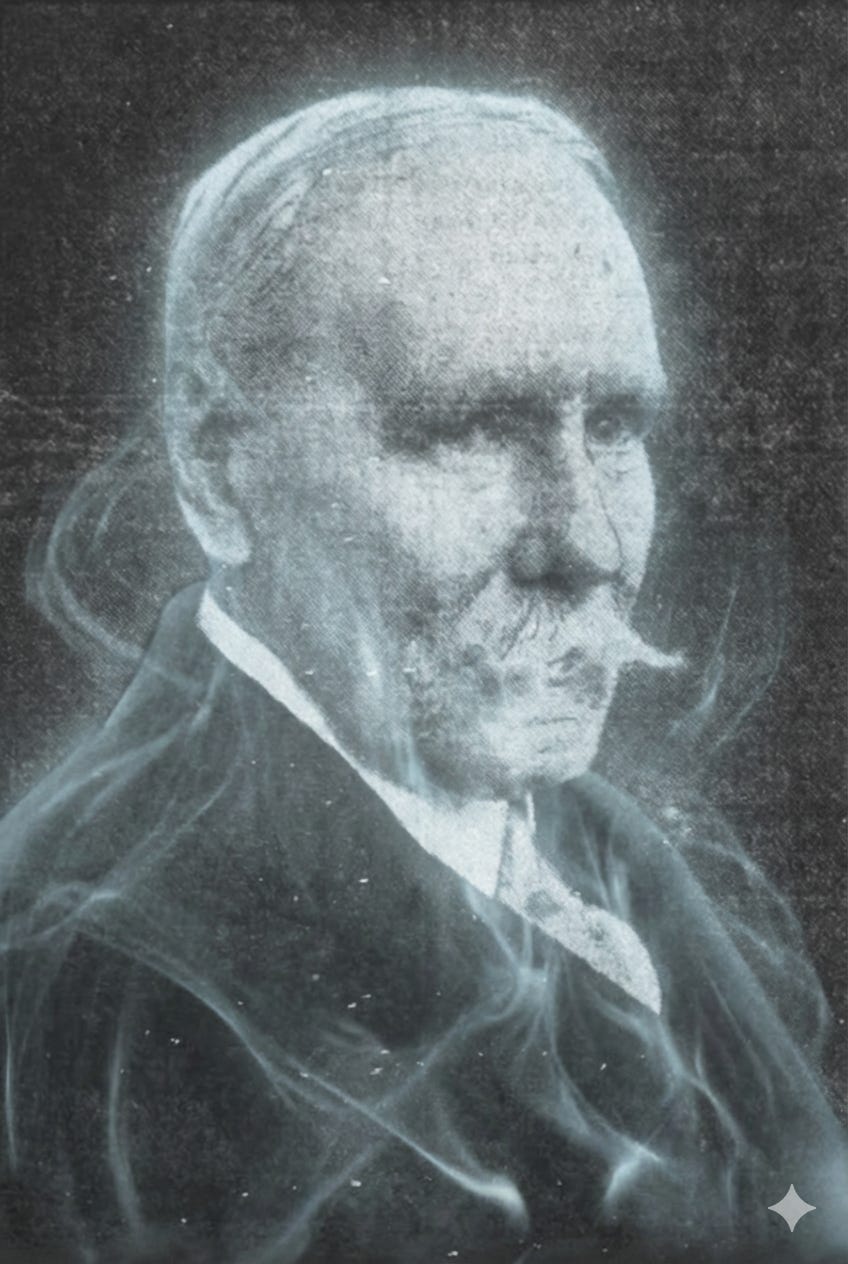
Then Murray married Haldorn’s ex-wife Mary.
When Haldorn couldn’t repay the loan, Murray sued him and attached his house. The legal battle lasted sixteen years. Murray won in the Montana Supreme Court. Ghost potential: ⭐⭐⭐ (betrayal by a client who married your ex-wife and took your house—that’s haunting material)
POCATELLO, IDAHO: Where They Set Up the
Gallows
Murray won the franchise to provide water to Pocatello in 1892. His method for consolidating control was memorable.
F.D. Toms (President of the Water Company—Briefly) Murray withheld payroll from construction workers for three months. The workers, desperate, sold their future paychecks to a saloon keeper for seventy-five cents on the dollar. The city had to feed them.
Murray told the workers that funding was contingent on Toms resigning as president.
The workers bought rope. They set up a gallows for Toms at the water works chimney.
Toms resigned.
Murray took the presidency, settled the debts, and ran the company for the next two decades. Ghost potential: ⭐⭐⭐ (public humiliation via threatened lynching)
SAN DIEGO, CALIFORNIA: The Browbeating Capital
Ed Fletcher (Murray’s “Partner” for Fifteen Years)
If you want to understand how Murray treated the living, spend an afternoon with the Fletcher correspondence.
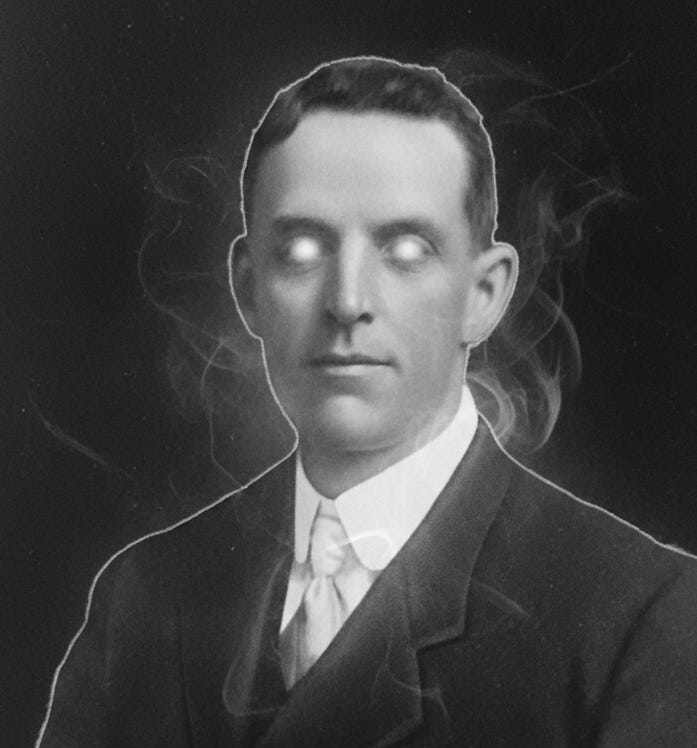
Fletcher pitched Murray investment opportunities constantly. Murray’s responses ranged from dismissive to cruel:
On Fletcher’s optimism: “It seems to me you become very optimistic at times. Don’t care to accuse you of drinking or anything of the kind, but like many others you have your ups and downs.”
On a request for $115: “I’m surprised that a man of your age should refer the matter to me.”
On Fletcher’s ownership stake: “Your share wouldn’t buy a good breakfast for a poor woman.”
On telegrams: “Every time you say ‘stop’ it cost me money, and I don’t want any of these telegrams when 2 cents will answer the question.”
On Fletcher’s employees: “I am tired of working for twenty-five or thirty gentlemen looking at the sun to see when five o’clock comes.”
Fletcher once pleaded for Murray’s “patience and good heartedness” to keep his job.
Murray kept Fletcher on a financial leash—lending him $60,000 to maintain his ownership position, money Murray could demand back at any moment, including right before a sale, which would have wiped Fletcher out entirely.
When Fletcher tried to honor Murray by naming a dam after him, Murray fired back: “Naming dams after men is very poor policy, and I am superstitious about it. [You] had no business to call that the Murray Dam.”
The irony: It’s still called Lake Murray today.
The twist: After Murray died, Fletcher conspired with Murray’s widow against the blood relatives, helping her contest estate documents in exchange for a sweetheart deal on the water company. He cleared approximately $350,000 in profit.
Ghost potential: ⭐⭐⭐⭐ (not for what Murray did to Fletcher—for what Fletcher did to Murray’s heirs after Murray died)
THE FAMILY: Those Who Bore the Brunt
Alex Murray (His Own Nephew) Murray bankrupted his own nephew Alex in Pocatello. The scheme involved a sham purchase of the water company, with Alex holding title and debt while Murray pulled the strings. When Murray sold the company to the city, he left Alex holding $58,000 of his debts..
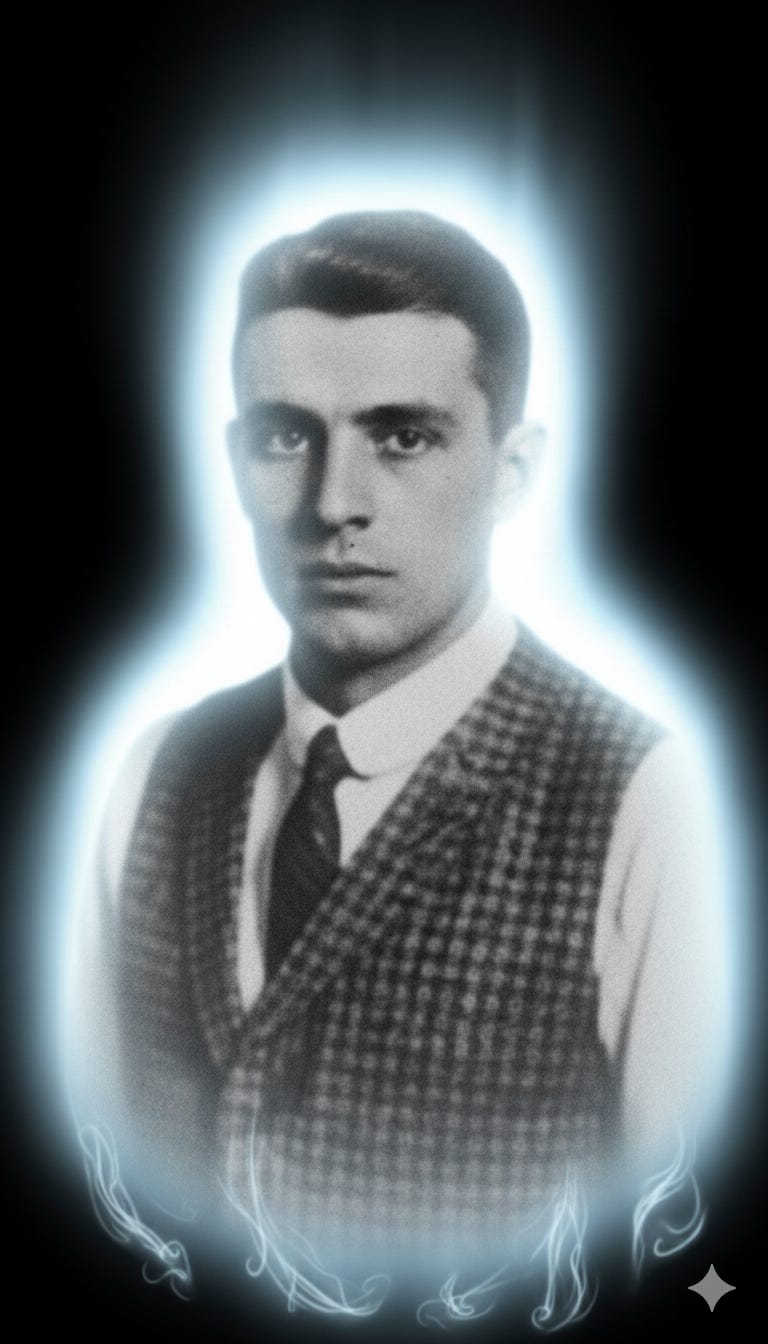
A judge reviewing the case wrote that the senior Murray’s hanging Alex out to dry “transform(ed) a transaction of doubtful impropriety into an odious fraud.”
Alex received nothing and returned to Pennsylvania to live with his parents.
The lesson: Blood relation offered no protection. Ghost potential: ⭐⭐ (family grudges lack the theatrical quality of strangers’ grudges).
James E. Murray (The Nephew Who Went to the U.S. Senate)
Murray put his nephew through NYU Law School, gave him season passes to the theater, and open credit lines at the finest restaurants. In return, James provided legal services for decades—probably with little pay. Murray never publicly praised him.
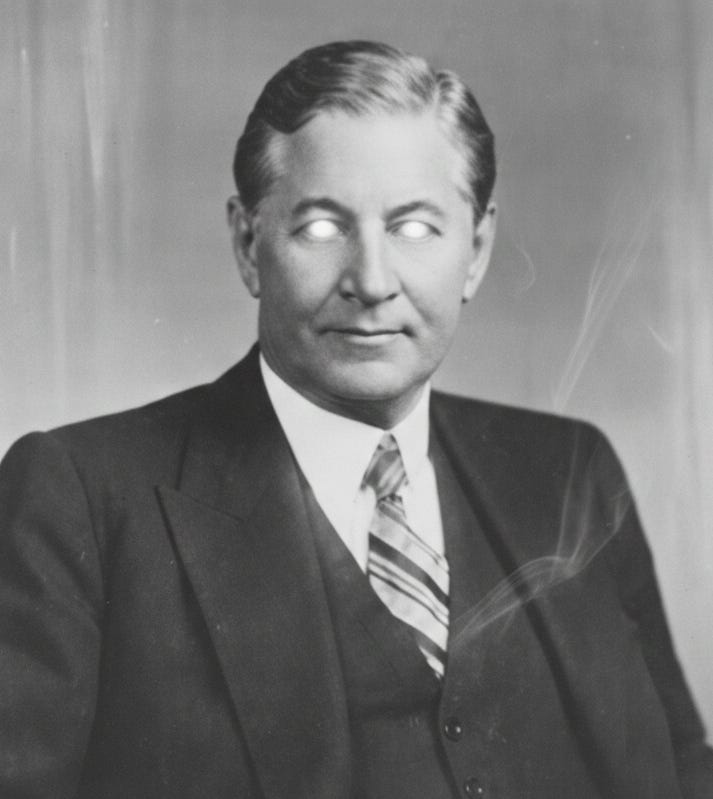
When Murray died, James fought bitterly for his share of the estate, writing to Ed Fletcher: “She and I are the only ones entitled to much compensation as we have borne the brunt of things for almost a life time.”
After the dust settled, James dismissed his uncle’s fortune as the product of “blind luck” and told a constituent: “I inherited practically nothing. I was merely compensated for a lifetime of service to my uncle.”
James E. Murray went on to serve twenty-six years in the U.S. Senate, sponsoring groundbreaking labor legislation. He never acknowledged the great wealth he inherited. The bitterness ran deep.
Ghost potential: ⭐⭐ (more likely to haunt the Senate chamber than Butte)
MONTEREY, CALIFORNIA: The “Charitable” Years
Murray moved to Monterey in 1904 and presented himself as a philanthropist. The mask slipped occasionally.
Charles Rollo Peters (Artist, Earthquake Relief Coordinator) After the 1906 San Francisco earthquake, Murray gave the acclaimed artist $15,000 to shelter displaced artists at his thirty-acre estate, Peters’ Gate. The money was structured as mortgages, because Murray never gave money without strings.
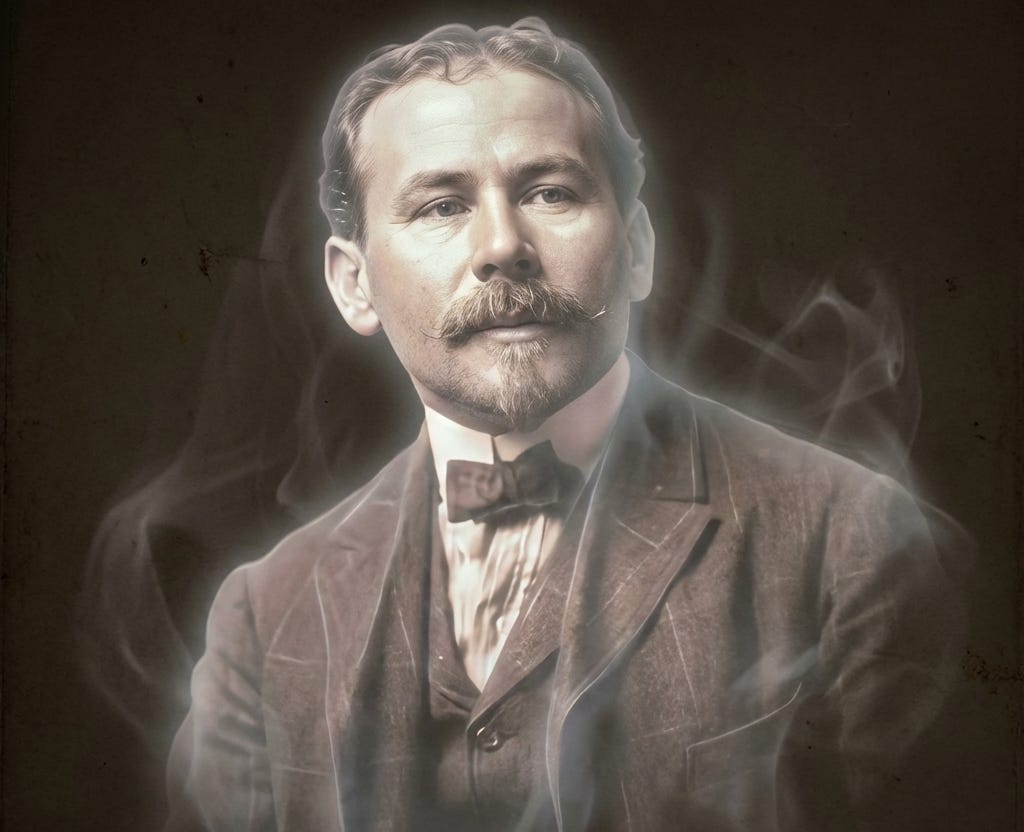
When Peters sold his estate a few years later—without repaying Murray—the old man pounced. Murray foreclosed on the new owner, forcing Peters to sell two paintings hanging at the St. Francis Hotel in San Francisco to make a symbolic payment.
Peters left Monterey and never returned. His son later wrote that the town held “too many sad memories.” Ghost potential: ⭐⭐⭐
Hugh Porter (Monterey Daily Cypress) Murray started the newspaper and made Porter a “partner” by lending him the startup money. Porter worked for free, trying to pay off the loan while also covering the salary of John Maguire, Murray’s bestie, as associate editor. The lawsuit is in the Monterey County court records. Ghost potential: ⭐⭐
Dr. William Lillie (Murray’s Personal Physician) This one is circumstantial but unsettling. Dr. Lillie, who had served as Monterey’s mayor twice, pronounced Murray dead in May 1921.
Two months later, at 3:00 AM, Dr. Lillie walked into his garage and shot himself with a shotgun.
No note. No explanation. Ghost potential: ⭐⭐⭐ (what did he know?)
SEATTLE, WASHINGTON: The Slumlord Years
Tenants at Third and Union Murray owned properties in Seattle under his brother Timothy’s name—including buildings the Health Commissioner called “one of the worst places I ever saw.” The boarders carried water in pails because Murray refused to repair the plumbing. The city eventually condemned the properties. Ghost potential: ⭐⭐ (Timothy probably expecting this).
THE QUOTE THAT EXPLAINS EVERYTHING
Murray, in an interview: “There isn’t any honest money in the world. I’ve got $10 million and if I had an honest dollar in the bank roll I’d throw it away.”
A NOTE FOR PARANORMAL SHOWRUNNERS
If you’re reading this—and if “Ghosts of Devil’s Perch” was up your alley—I’ve got the A-list for you. Van Zandt is compelling television, but Streicher’s thirty-seven German relatives pursuing Murray for twenty-four years? The gallows at the Pocatello water works? A doctor who shot himself two months after pronouncing Murray dead?
Have your people call my people.
Next time: We leave Murray behind—temporarily—and discover what military pension files actually contain. Spoiler: One reveals a Confederate cavalryman charging through Greenville, Tennessee to capture Union prisoners. The other reveals a 112-page domestic war between a Union veteran and his estranged wife, fighting over twelve dollars a month. You never know what you'll find in the dustbin.